
DRD ATTORNEYS
Advocates & Legal Consultants

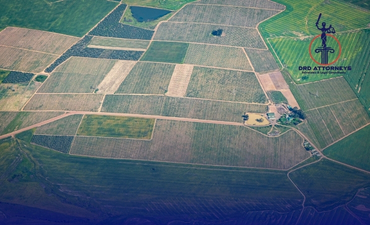
Land in Tanzania is public land vested in the President as trustee for all citizens. Understanding how rights are granted, and verifying them before you pay, protects you from costly disputes.
Under the Land Act and the Village Land Act, all land falls into one of three categories: general land, reserved land and village land. Each category is administered differently, so the first question in any transaction is which category the plot belongs to.
Land is held through a right of occupancy. A granted right of occupancy can run for up to 99 years, while village land is held through customary rights of occupancy. A Certificate of Title issued under the land registration regime is the strongest evidence of a granted right.
Non-citizens generally cannot hold land directly. Investors usually access land through a derivative right for an approved investment project, typically through the Tanzania Investment Centre. Structuring this correctly from the start avoids problems at financing and exit.
The most frequent disputes involve double allocation, forged documents, unpaid rent leading to default notices and unclear village land boundaries. A short investment in legal due diligence is far cheaper than litigation later.
This article is general information about Tanzanian law and is not legal advice. Laws and regulations change; speak to an advocate before acting on any matter.